The part nobody says out loud
You can't tell the honest roofer from the good salesman. That's the actual problem.
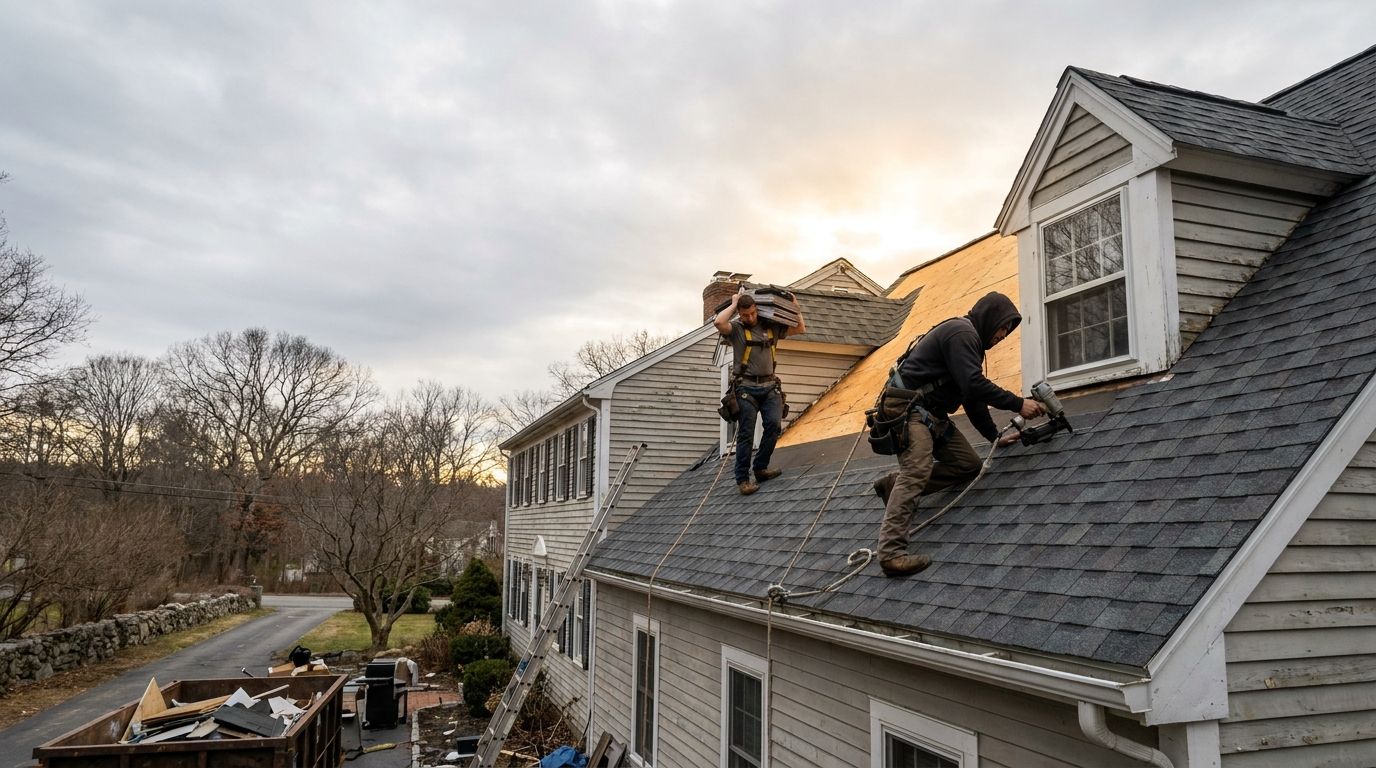
Every homeowner we meet has heard the same story from a neighbor — a $700 flashing problem that somehow became a $22,000 replacement. Here is what people tell us they are worried about before we ever get on the ladder.
Being sold a roof you don't need
Companies that only do replacements only ever find one answer. We do repairs too — so ours isn't rigged.
The number moving after the tear-off
"Unexpected rot" is the oldest line in this trade. We inspect the decking before we quote, and what we find goes in writing.
Nobody you can actually reach
You call a brand, a dispatcher books it, and a subcontractor shows up. Here you get Thiago's phone and Thiago's crew.
A roof that fails its first real winter
Ice dams, wind-lifted shingles, leaks at the chimney. A roof installed for a southern climate doesn't survive February here.
Why homeowners here call us
No badges on this page. Just the things that are actually true.
We haven't put a single award, certification seal or star rating on this site, because we would have had to make them up. This is the real list.
The honest assessment
We will talk you out of a roof.
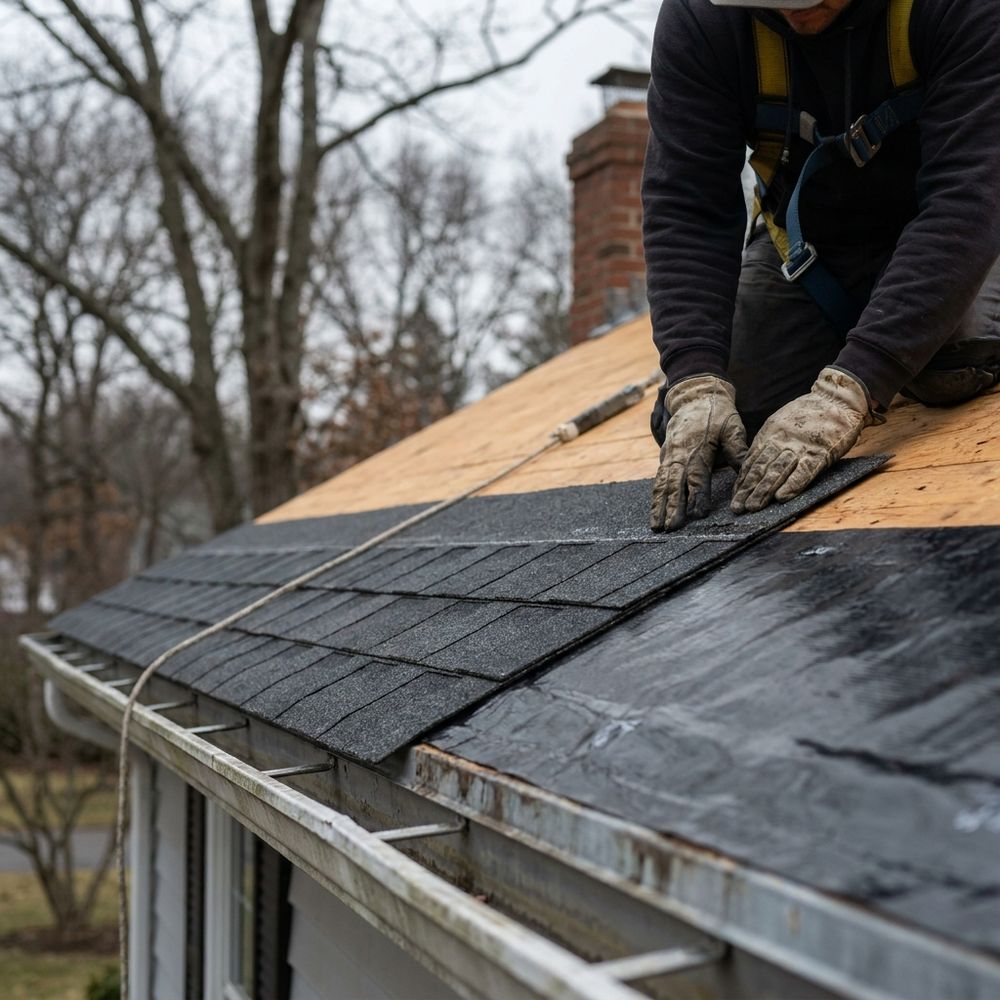
It happens most weeks. Somebody calls convinced they need a full replacement because of a ceiling stain, and the actual problem is forty dollars of failed pipe-boot rubber or a length of step flashing that pulled away from the chimney.
We tell them that, we fix that, and we leave. It costs us a big job and it is the entire reason people call us back in eight years when the roof genuinely is finished.
- We inspect and diagnose before we ever quote a number
- Repairs are quoted as repairs — not as a down payment on a replacement
- If the roof has good years left, we say so in writing
What we do
Three things, done properly, for New England houses.
We are not a general contractor who also does roofs. This is the whole business — the roof, what keeps water out of it, and the walls underneath.
Roof Replacement
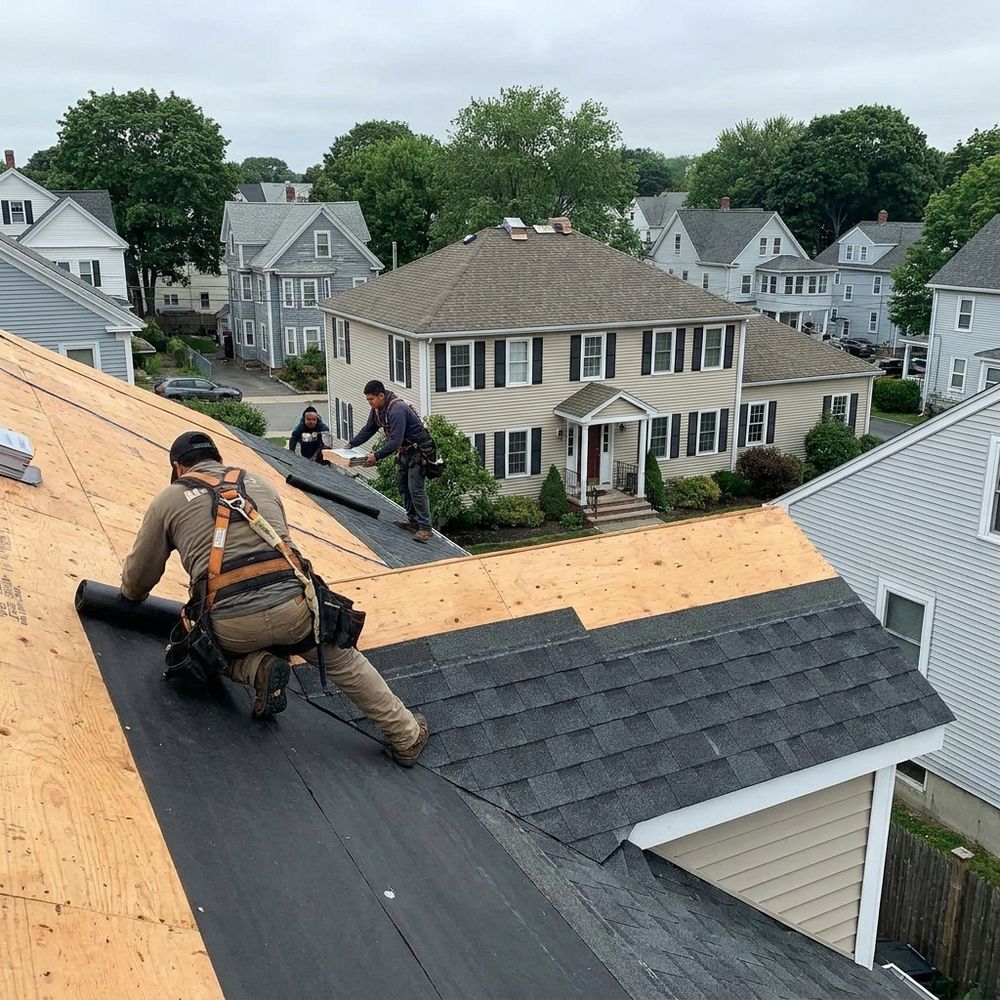
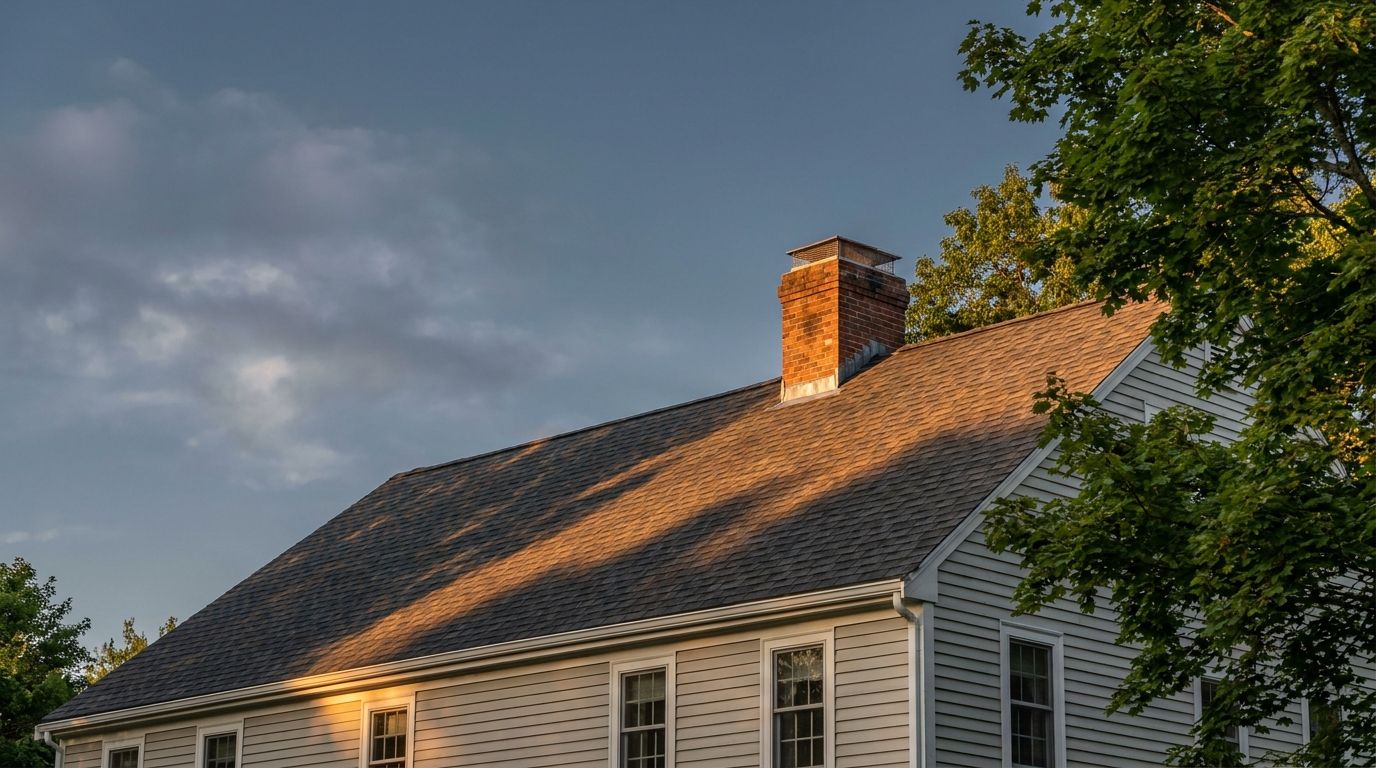
Full tear-off and a complete architectural asphalt shingle system — ice & water shield, underlayment, drip edge, proper ventilation. Built for a Massachusetts winter, not a catalog.
Roof replacement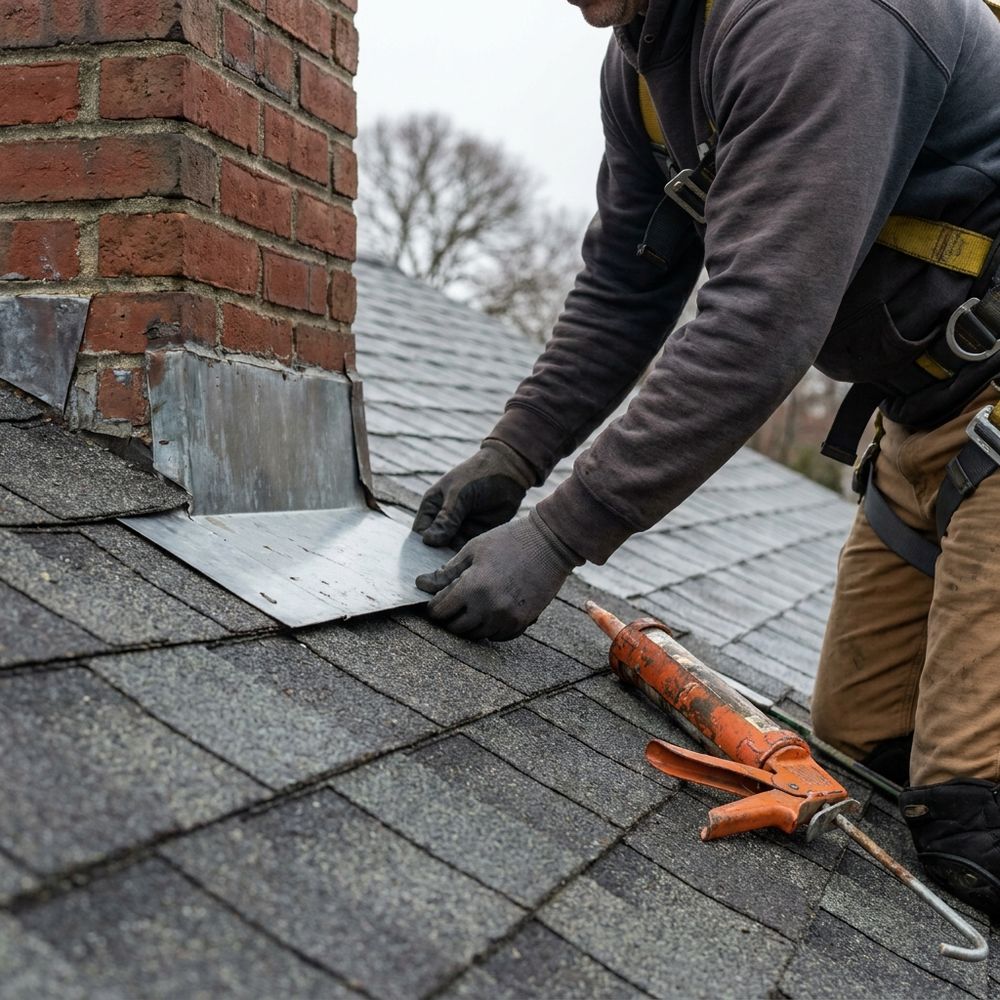
Roof Repair
Leaks, storm damage, failed flashing, ice dam damage, missing shingles. We find where the water is actually getting in — which is rarely where the stain is.
Roof repair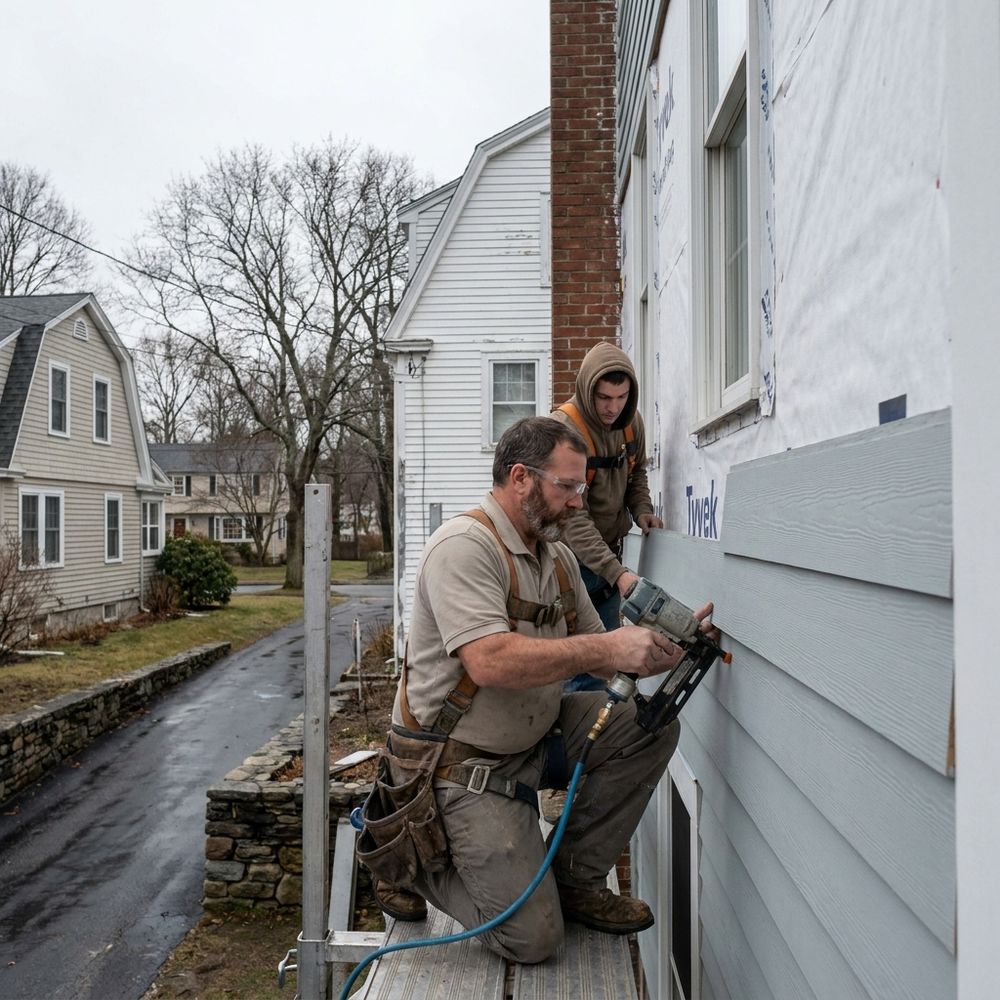
Siding Replacement
Vinyl and fiber cement siding, properly wrapped and flashed. The most common reason siding fails here is water that came in somewhere else first.
Siding replacementHow a job runs
The DeSouza Standard
Four steps. The same four every time, on a $900 repair and on a $30,000 replacement.
Look at it properly
On the roof, in the attic, at the flashing and the ventilation. Not a drive-by from the curb with a drone.
Tell you straight
Repair, replace, or leave it alone — with the reason, in plain English, and the price in writing before anything starts.
Do the work
Property protected, decking checked once it's open, and you hear from us the moment anything looks different from the quote.
Leave it clean
Magnet sweep for nails, debris gone the same day, and a walk-round with you before we pull off the street.
What you're actually buying
A roof is seven layers. Most quotes only price two of them.
When one estimate is $9,000 under another, this is almost always where the difference is hiding. A DeSouza replacement is specified top to bottom, and every line of it is on your written estimate.
- Full tear-off — down to the deck. We do not shingle over an old roof to save a day.
- Decking inspected and repaired — soft or rotted sheathing replaced, not covered up.
- Ice & water shield at the eaves, valleys and penetrations — the single most important layer on a Massachusetts roof.
- Synthetic underlayment across the full deck.
- New drip edge and flashing — chimney, walls, valleys, vents. Reusing old flashing is where leaks come back.
- Architectural asphalt shingles — heavier, wind-rated, and they actually look like a roof.
- Ridge vent and intake ventilation — the part that decides whether you get ice dams next winter.
Why local matters here
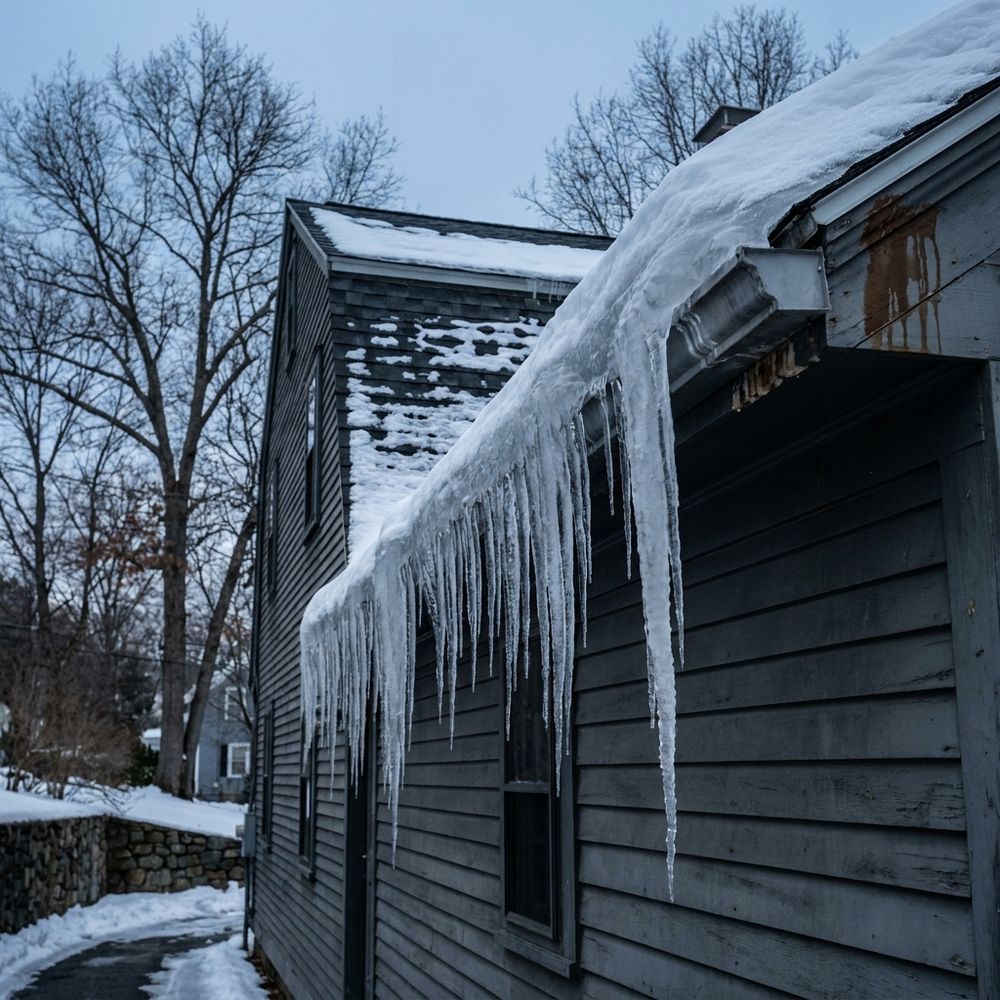
Ice dams aren't a roof defect. They're a ventilation problem.
Heat escapes into the attic, melts the snow on the upper roof, and the meltwater runs down and refreezes at the cold eave. The ice backs up under the shingles and finds its way into the house — and the ceiling stain shows up in a bedroom nowhere near the leak.
Replacing shingles alone will not fix that. Getting the intake and ridge ventilation right will, and it is why we look in your attic before we quote your roof.
Where we work
Boston and the towns north of it.
Close enough to get to you quickly, and we know how the housing stock in each of these towns is built.